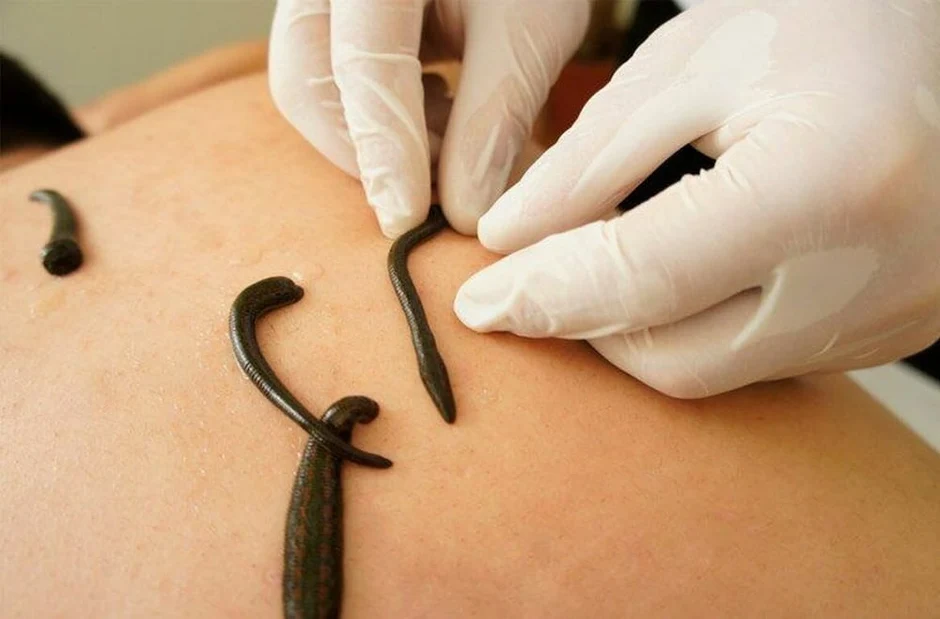
What is Raktamokshana?
Raktamokshana is a traditional Ayurvedic procedure involving the controlled removal of blood using selected methods. The Sanskrit term Rakta means blood, and Mokshana refers to release or removal.
In classical Ayurvedic practice, Raktamokshana is described as one of the five principal Panchakarma procedures. It is traditionally discussed in relation to Rakta (blood) and selected conditions described in Ayurvedic texts.
Raktamokshana is an invasive procedure. It must never be attempted at home or performed by an unqualified person. Any consideration of this procedure requires careful medical assessment, appropriate infection-control measures, and qualified clinical supervision.
Raktamokshana in Traditional Ayurveda
According to traditional Ayurvedic principles, Raktamokshana is associated with the concept of Rakta Dhatu and conditions traditionally described as involving Rakta Dushti.
Classical Ayurvedic literature describes different methods of Raktamokshana. The selection of a method is traditionally based on the individual's condition and the practitioner's assessment.
These traditional concepts should not be equated directly with modern biomedical diagnoses or used as a substitute for evidence-based medical treatment.
Traditional Methods of Raktamokshana
Traditional Ayurvedic descriptions include several methods of Raktamokshana. Broadly, they are discussed under two categories:
1. Shastra Visravana – Instrument-Based Bloodletting
Shastra Visravana refers to traditional methods involving specialised instruments for controlled bloodletting. Classical descriptions include procedures such as:
- Siravyadha: A traditional procedure involving venous puncture.
- Pracchana: A traditional method involving superficial scarification.
These are invasive procedures with risks including bleeding, infection, injury, and other complications. They should only be considered by appropriately qualified clinicians in a suitable clinical setting.
2. Anushastra Visravana – Non-Surgical Traditional Methods
Anushastra Visravana refers to traditional methods that do not use conventional cutting instruments. Classical Ayurvedic descriptions include:
- Jalaukavacharana: Traditional leech application.
- Alabu: A traditional method involving a gourd-based suction instrument.
- Shringa: A traditional method using an animal-horn-based suction instrument.
These methods also carry risks. In particular, leech application can cause prolonged bleeding, infection, allergic reactions, and complications in susceptible individuals. They require strict clinical assessment and appropriate infection-control precautions.
Traditional Uses of Raktamokshana
In classical Ayurvedic practice, Raktamokshana is described in relation to selected conditions traditionally associated with Rakta Dushti. Its use is based on traditional assessment and should not be interpreted as a proven treatment for any modern medical diagnosis.
There is insufficient reliable clinical evidence to establish Raktamokshana as a safe or effective treatment for general blood purification, skin disease, inflammatory disorders, or other systemic conditions.
Clinical Assessment and Safety Requirements
Raktamokshana is not suitable for everyone. Before any consideration of this procedure, a qualified clinician must assess the individual's medical history, current condition, medications, bleeding risk, and overall suitability.
Important safety considerations include:
- Bleeding disorders or a history of excessive bleeding.
- Anaemia or low haemoglobin.
- Low blood pressure, fainting tendency, or circulatory instability.
- Use of anticoagulant or antiplatelet medicines.
- Active skin infection, wounds, or local inflammation at the proposed site.
- Immunosuppression or increased susceptibility to infection.
- Pregnancy or other medical conditions requiring special assessment.
- Known allergy or sensitivity relevant to the proposed method, including reactions to leech exposure.
Important safety note: Raktamokshana involves blood loss and potential exposure to infection. Strict sterile technique, appropriate clinical equipment, safe disposal of contaminated materials, and monitoring are essential. Leech therapy requires particular attention to infection risks and bleeding complications. Never reuse leeches between patients.
Uncontrolled bleeding, fainting, fever, increasing pain, spreading redness, or discharge after a procedure requires prompt medical assessment. Do not stop prescribed medicines, especially blood-thinning medicines, without advice from the prescribing clinician.
Raktamokshana and the Five Principal Panchakarma Procedures
Raktamokshana is traditionally included among the five principal Panchakarma procedures, alongside:
- Vamana: Therapeutic emesis.
- Virechana: Therapeutic purgation.
- Basti: Medicated enema procedures.
- Nasya: Nasal administration of prescribed preparations.
- Raktamokshana: Traditional bloodletting procedures.
The suitability, preparation, and risks of each procedure differ. They should not be treated as interchangeable therapies.
Raktamokshana at Arogya Mandir
At Arogya Mandir – Ayurveda & Panchakarma Centre, any discussion of Raktamokshana should begin with an individual clinical assessment. The practitioner's role is to explain the traditional procedure, review potential risks, and determine whether referral or another approach is more appropriate.
Patient safety, infection prevention, and appropriate medical evaluation must take priority. No invasive procedure should be undertaken without suitable qualifications, clinical facilities, and informed consent.
Frequently Asked Questions
1. What does Raktamokshana mean?
Raktamokshana is a Sanskrit term referring to the traditional Ayurvedic practice of bloodletting or controlled blood removal.
2. Is Raktamokshana one of the five principal Panchakarma procedures?
Yes. In traditional Ayurvedic classification, Raktamokshana is included among the five principal Panchakarma procedures.
3. What are the traditional methods of Raktamokshana?
Classical descriptions include Siravyadha, Pracchana, Jalaukavacharana, Alabu, and Shringa. These methods have different techniques and safety considerations.
4. Is Raktamokshana the same as modern blood donation?
No. Raktamokshana is a traditional Ayurvedic therapeutic category, whereas blood donation is a regulated medical and public-health activity with separate eligibility, screening, and collection standards.
5. Is Raktamokshana safe for everyone?
No. It can cause bleeding, infection, anaemia, fainting, and other complications. Suitability must be assessed by an appropriately qualified clinician.
6. Does Raktamokshana purify the blood?
Blood purification is a traditional explanatory concept. It should not be presented as an established biomedical effect or as a substitute for medical treatment of blood or systemic disorders.
Consultation and Medical Assessment
If you wish to learn about Raktamokshana, consult a qualified practitioner for an individual assessment and a clear explanation of its traditional basis, limitations, and risks. Appropriate medical evaluation and patient safety must always come first.